

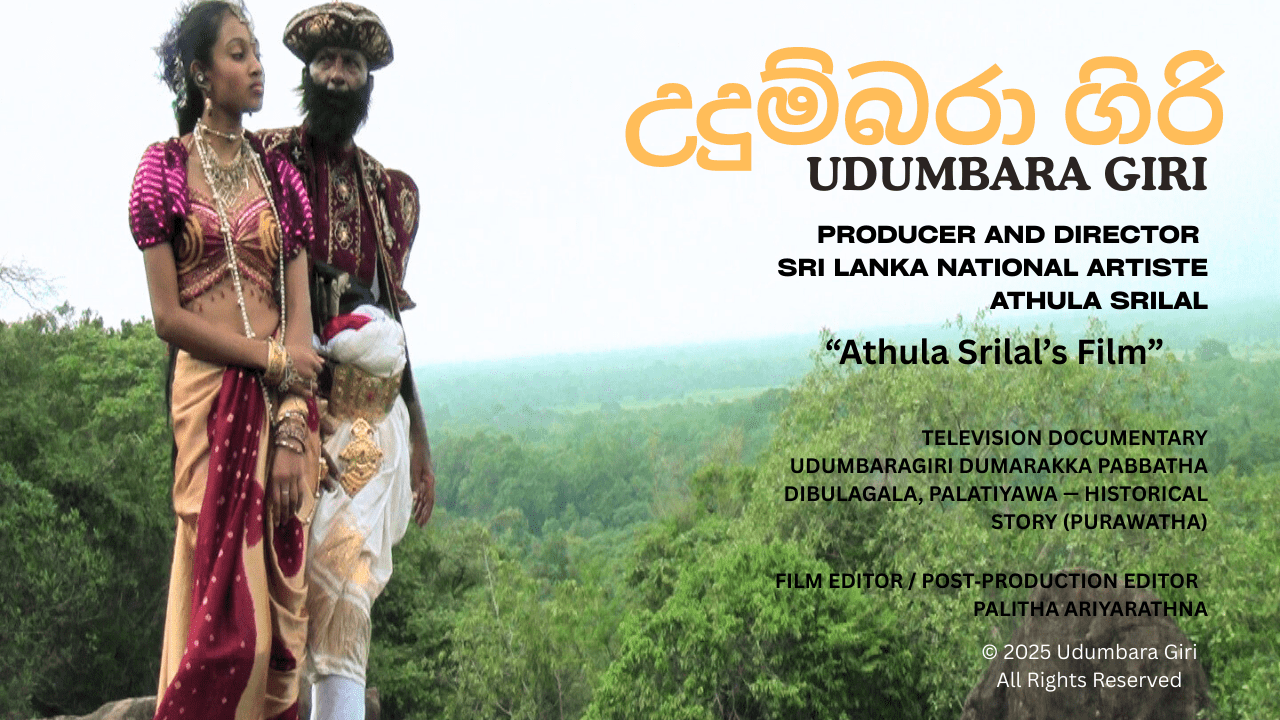
The television documentary Udumbaragiri – Dumarakka Pabbatha, Dimbulagala, Palatiyawa unfolds as a cinematic journey into one of Sri Lanka’s most sacred landscapes. Directed and produced by Sri Lanka National Artiste Athula Srilal, the film is both a historical retelling and a cultural awakening, weaving together royal chronicles, Buddhist monastic traditions, and indigenous voices.
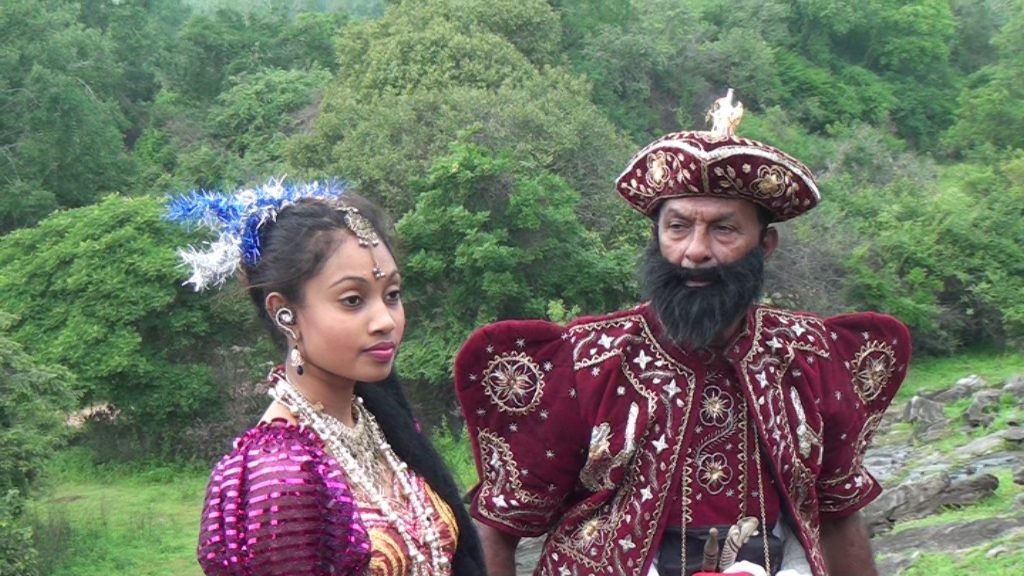
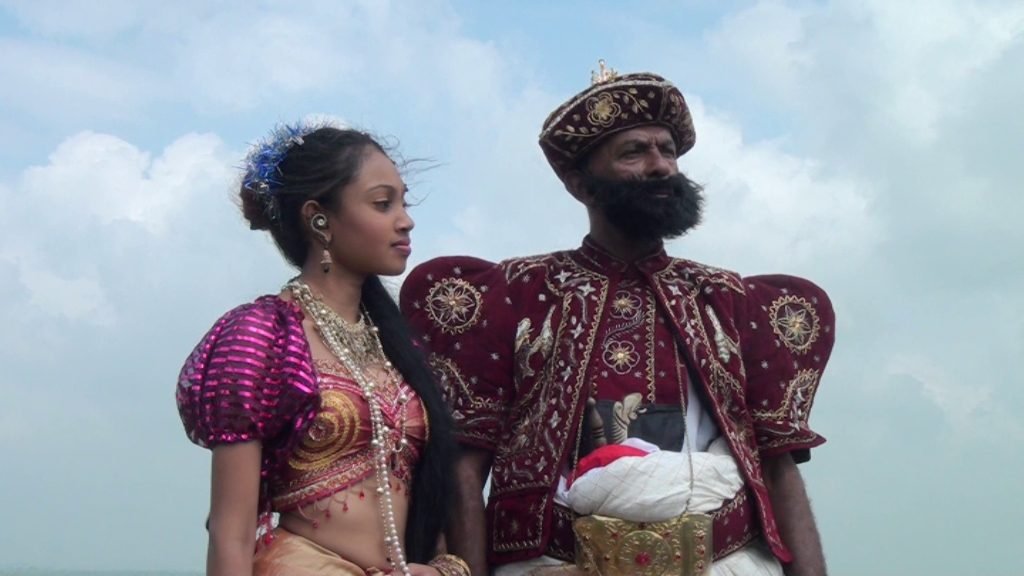
The story opens with the dream of Queen Mahasundara Devi, who envisions the Waduga Nayakkar royalty of Senkadagala in regal attire. Her devotion is remembered in chronicles that describe her offering of five hundred stone cells and images to the Sangha at Dimbulagala, a gesture that ensured the continuity of Buddhist practice. The film also recalls King Pandukabhaya, the first monarch to unify Anuradhapura, who recognized the Vedda people as part of the kingdom’s social fabric. His reign established shrines and settlements that honored indigenous traditions, bridging myth and nationhood.
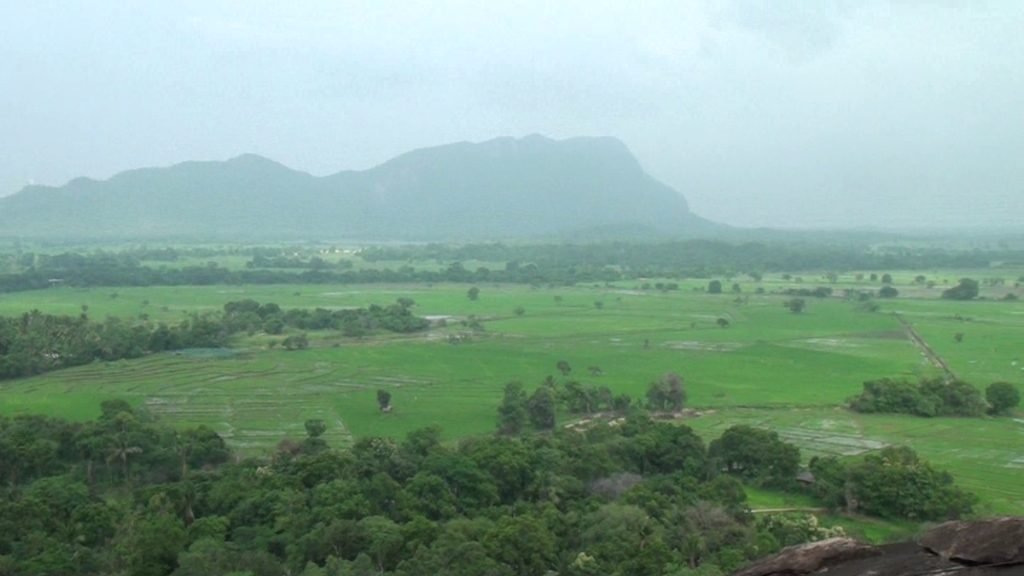
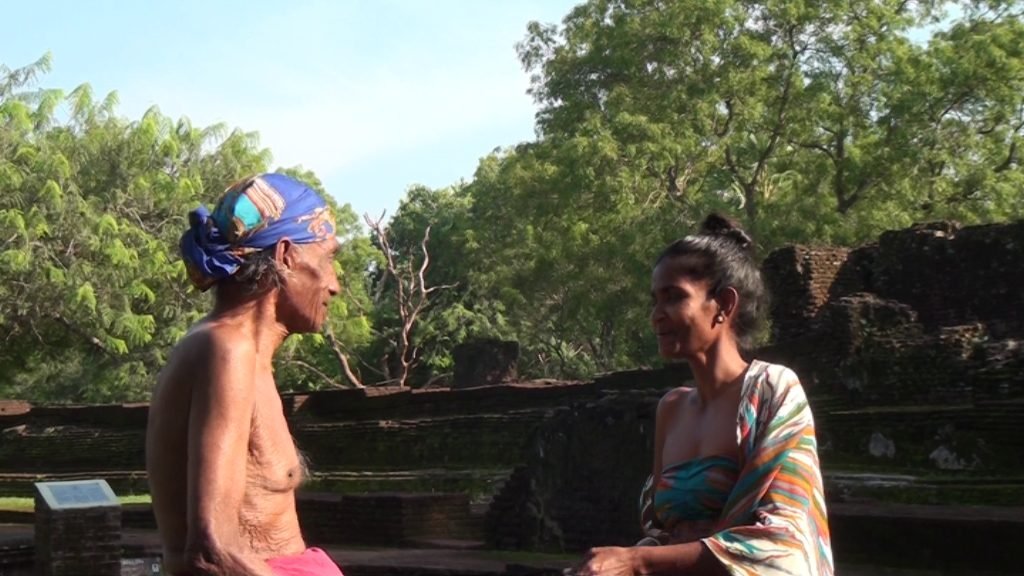
At the heart of the narrative lies Dimbulagala, historically known as Udumbaragiri, a ridge that has served as a monastic citadel for centuries. Here once stood the Kassapa Pirivena, a great university of Buddhist learning. Historical records suggest that monks and even princes from abroad, including Thailand, studied at this site, where eighteen languages were taught. Today, the Pirivena lies in ruins, but its stones still whisper of a time when Sri Lanka was a hub of international scholarship.
The film also traces the eighteenth‑century revival of the Upasampadā ordination, when Sri Lanka’s monastic order had declined. With the guidance of Weliwita Sri Saranankara Thero, King Kirti Sri Rajasinghe invited monks from Thailand. The arrival of Upali Maha Thera re‑established the higher ordination, giving birth to the Siam Nikaya and securing the survival of the Sangha.
© 2025 උදුම්බරාගිරි – දිඹුලාගල උරුමය. සියලු හිමිකම් ඇවිරිණි. මෙම චිත්රපටය හෝ එහි කොටස් කිසිවක් නීතිවිරෝධීව පිටපත් කිරීම, බෙදාහැරීම හෝ ප්රදර්ශනය කිරීම තහනම්ය.
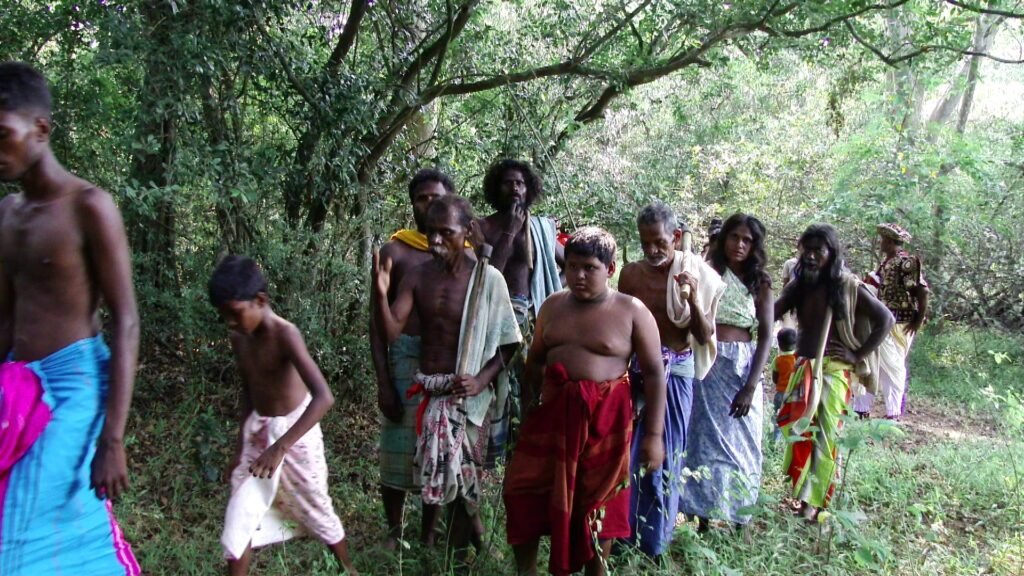
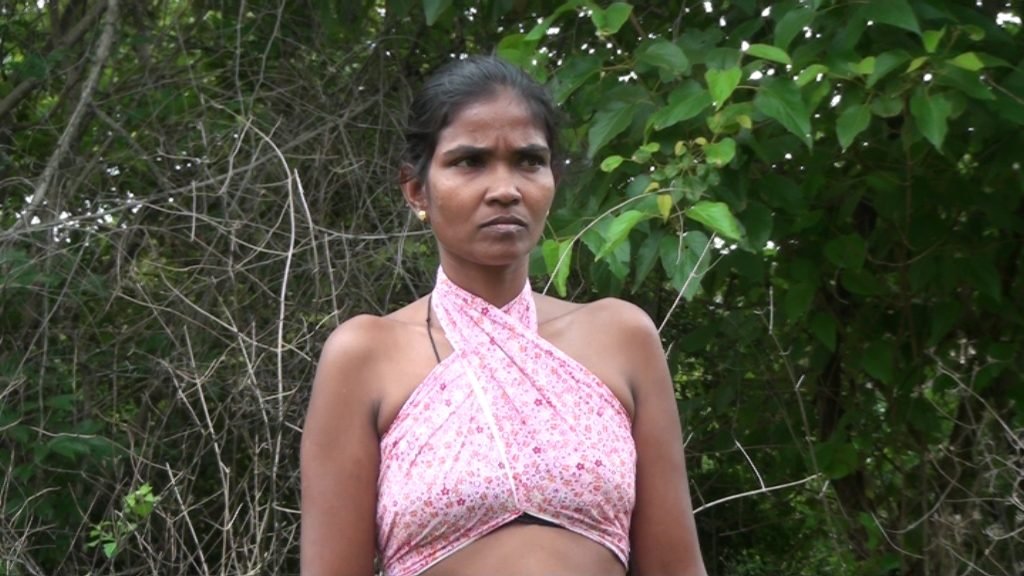
Filmed across Dimbulagala and Polbadda Wadda, the documentary honors the Wanniyala‑aetto, Sri Lanka’s first people. Their presence in caves, rituals, and oral traditions is woven into the narrative, reminding audiences that the island’s heritage is not only royal and monastic, but also indigenous and ancestral.
The production brings together a distinguished team. Photography was led by Ananda Deegala, Jayakody, Rajanayake, and Pasindu Navaratna. The cast includes Athula Srilal, Sheren Malsha, Kalhari Savandi Malsha, Thakshila Dilrukshi, Siriyawathie, Ratina, Alexander, Sudeshani Karunaratna, and Desapriya. Religious authority is provided by Venerable Dibulagala Mahanayaka Vijithalankara Thero, Chief Incumbent Siriyalanka Thero, and Honour Ariyawansa Thero. My own contribution as film editor and post‑production editor included archival recovery, audio and video remastering, final arrangement, and creative advice, alongside music and flute composition for the song Gi Tharuwa Oba.
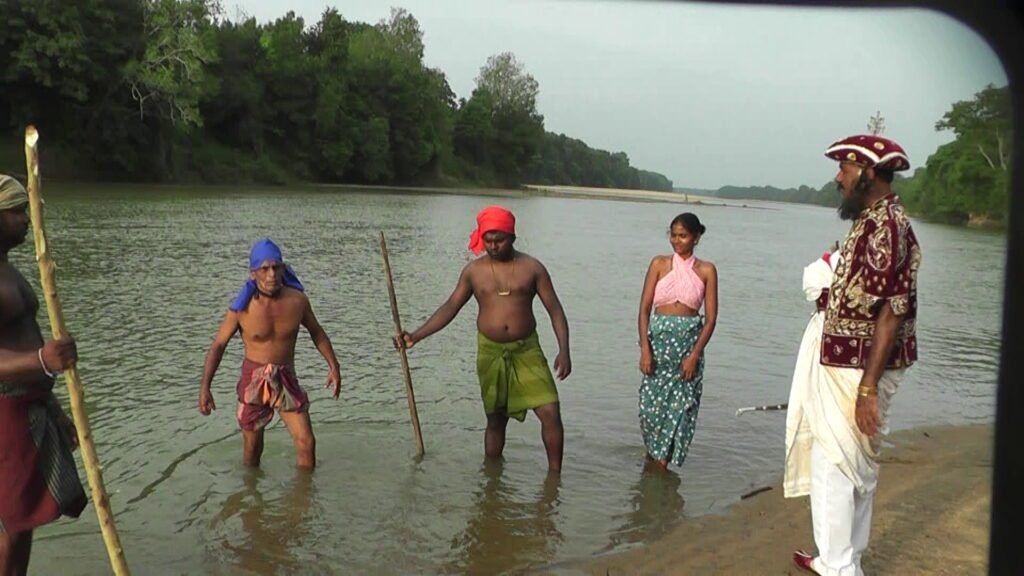
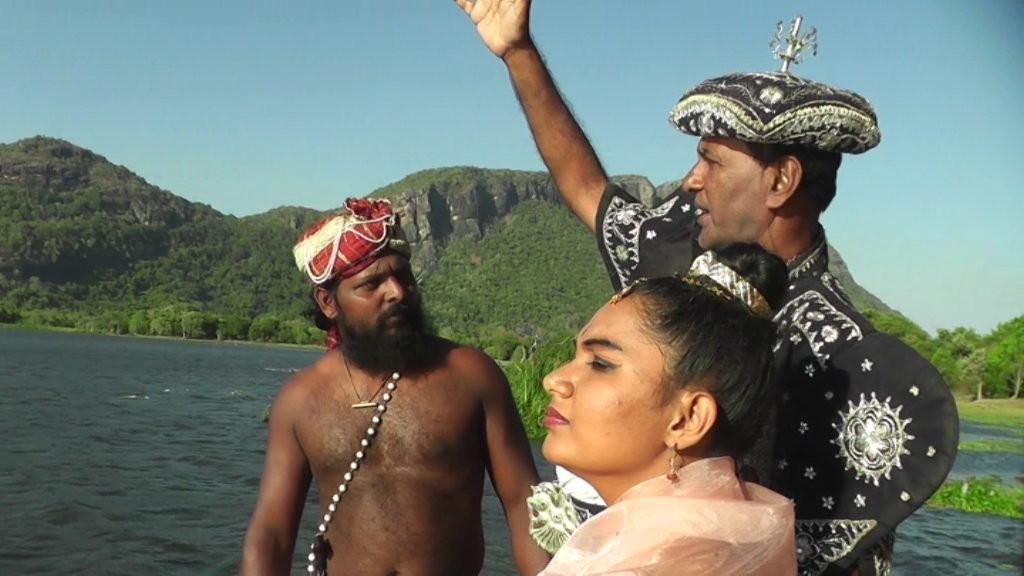
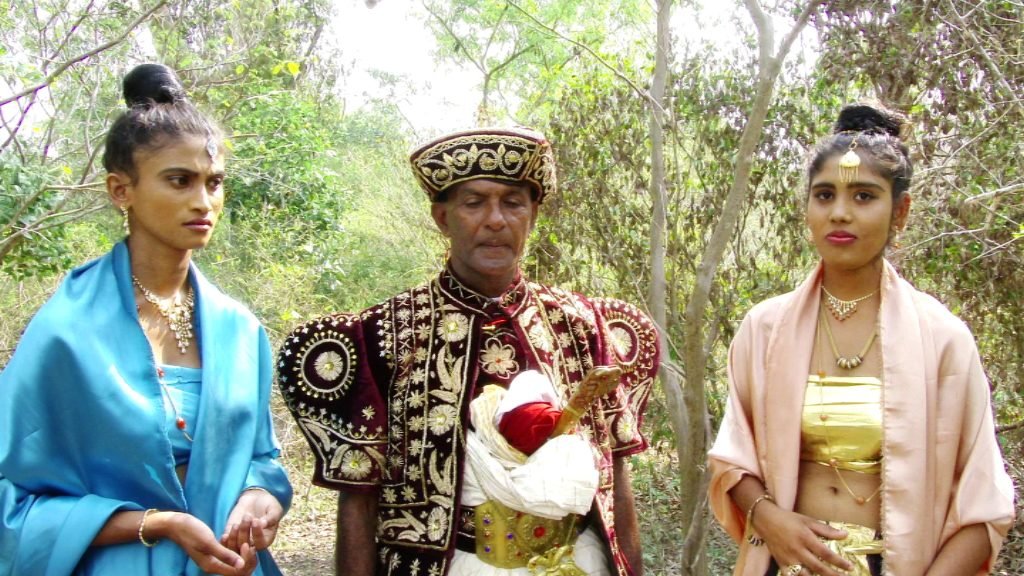
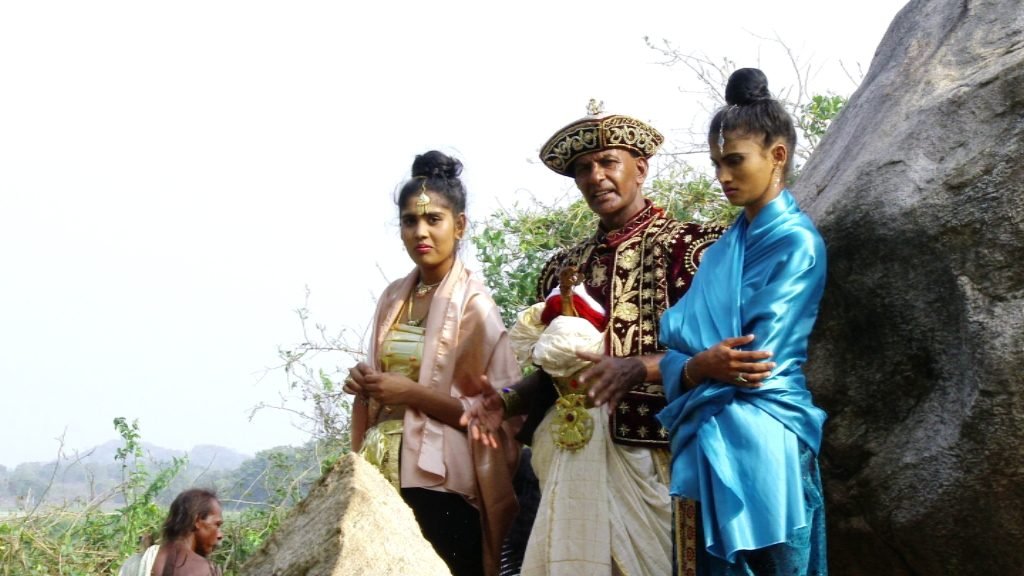
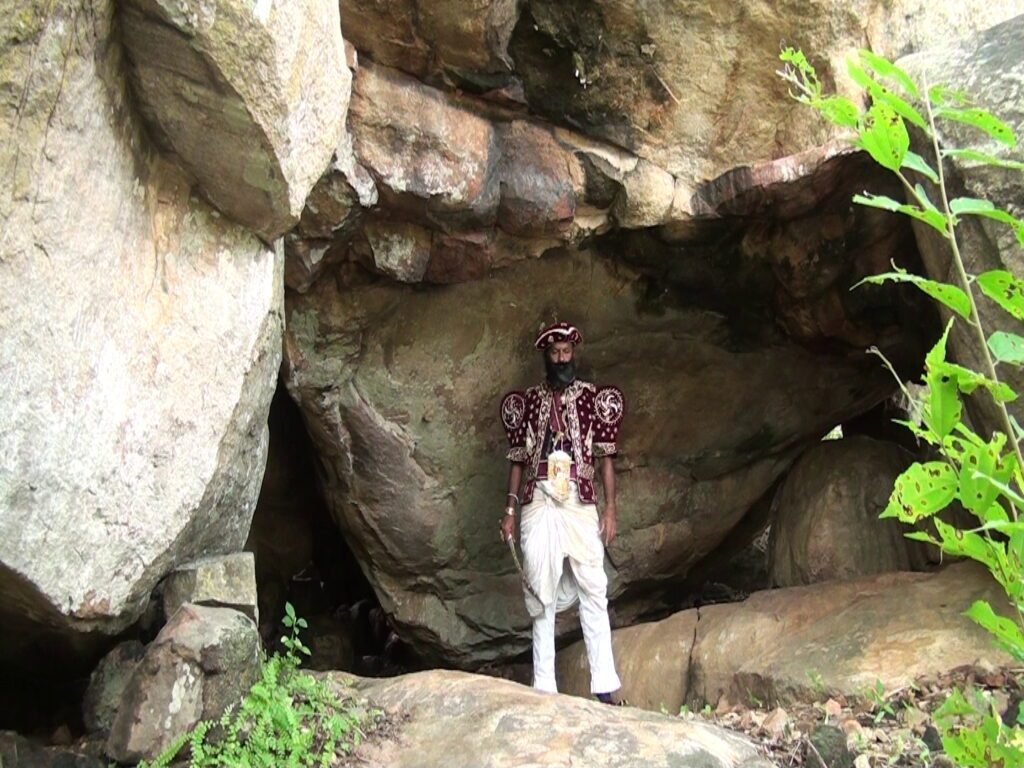
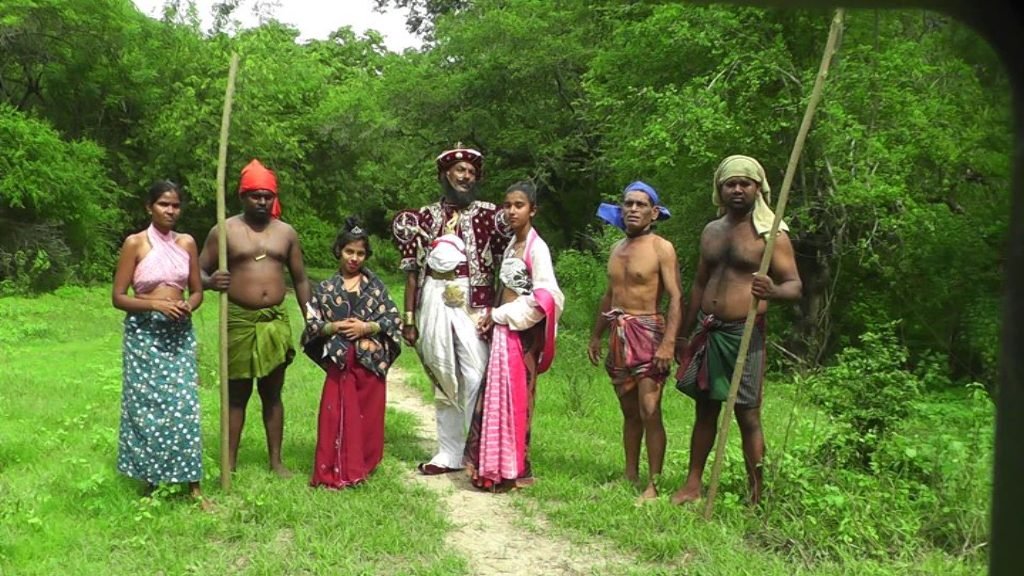
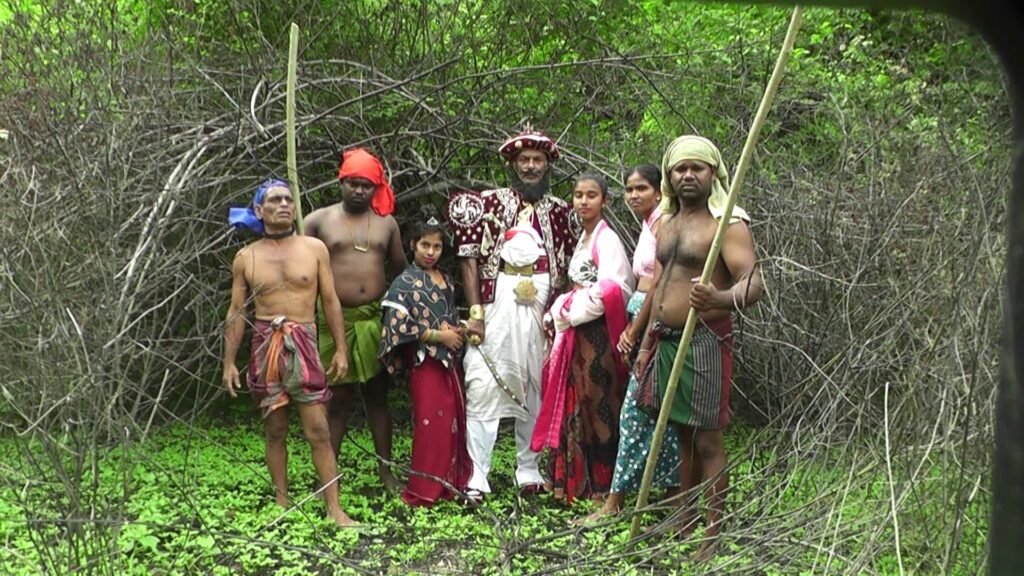
© 2025 Udumbaragiri – Dimbulagala Legacy. All rights reserved. Unauthorized reproduction, distribution, or exhibition of this film or any part thereof is strictly prohibited.
Udumbaragiri – Dimbulagala Legacy preserves the sacred history of Sri Lanka’s kings and queens while honoring the Vedda natives, including the first native Buddhist monk, son of Appuhami Uruwalge. It is both a documentary and a cultural act of remembrance. Looking ahead, we are preparing to film Gabina, a new heritage project with a larger budget and expanded production scale, which will deepen the exploration of indigenous voices and historical memory, positioning Sri Lanka’s heritage on the global stage.
Special thanks are extended to the indigenous community of Polbadda Wadda, to Siriyawathie as the first representative actress, and to all members of the community who contributed to this cultural legacy.
By Palitha Ariyarathna
Watch Film: